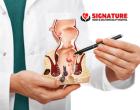
Piles, also known as haemorrhoids or bawasir, are swollen blood vessels in and around the anus and lower rectum. They can cause bleeding during bowel movements, itching, pain, swelling and discomfort while sitting. The right treatment depends on the severity of symptoms, the type of piles and the patient’s overall health.
If you are looking for piles treatment in Yamuna Vihar, it is important to understand that not every case requires surgery. Mild piles may improve with dietary changes and medicines, while persistent or advanced cases may need a medical procedure or an operation. A doctor’s examination can help identify the cause of symptoms and determine the most suitable treatment.
What Are Piles (Bawasir)?
Piles develop when blood vessels and supporting tissues around the anus or inside the rectum become enlarged and swollen. They are commonly associated with constipation, straining during bowel movements and prolonged sitting on the toilet.
There are two main types:
- Internal piles: Develop inside the rectum. They often cause painless bleeding and may protrude through the anus in advanced cases.
- External piles: Develop under the skin around the anus. They may cause itching, swelling, pain or a painful clot.
Although piles are common, rectal bleeding should not automatically be attributed to haemorrhoids. Other conditions can cause similar symptoms, so medical evaluation is important.
What Are the Common Symptoms of Piles?
The symptoms of piles vary depending on their type and severity. Common signs include:
- Bright red blood on toilet paper or in the toilet after passing stool.
- Pain or discomfort around the anus.
- Itching or irritation.
- Swelling or a lump near the anus.
- A feeling that stool has not passed completely.
- Tissue protruding from the anus during bowel movements.
Seek urgent medical care if you experience heavy or continuous bleeding, dizziness, fainting, severe anal pain or black, tarry stools. These symptoms may indicate a more serious problem.
What Causes Piles?
Piles usually develop when pressure increases in the blood vessels around the anus and rectum. Common contributing factors include:
- Chronic constipation and straining.
- Frequent diarrhoea.
- A low-fibre diet.
- Prolonged sitting on the toilet.
- Pregnancy and childbirth.
- Excess body weight.
- Age-related weakening of supporting tissues.
- Regularly delaying bowel movements.
Increasing fibre intake, drinking enough water, staying physically active and avoiding unnecessary straining may help reduce symptoms and prevent recurrence.
What Are the Treatment Options for Piles?
Piles treatment generally falls into three categories: medicines and lifestyle changes, minimally invasive procedures and surgery. Laser treatment is one possible procedural option, but it is not necessary or suitable for every patient.
1. Medicines and Home Care for Mild Piles
Medicines and lifestyle changes are often the first approach for mild piles, especially when symptoms are related to constipation or irritation.
Treatment may include:
- Fibre supplements: Help soften stool and reduce straining.
- Adequate water intake: Supports normal bowel movements.
- Stool softeners: May be recommended for selected patients with constipation.
- Topical creams or ointments: Can provide temporary relief from itching, irritation and discomfort.
- Warm sitz baths: Sitting in comfortably warm water may ease irritation and pain.
- Healthy toilet habits: Avoid prolonged sitting and straining during bowel movements.
Some creams contain ingredients that should only be used for a limited period. Ask a doctor or pharmacist about suitable products, particularly if bleeding or pain continues.
Medicines can control symptoms, but they may not eliminate larger or prolapsing piles. If symptoms persist despite conservative treatment, a doctor may recommend another option.
2. Laser Treatment for Piles
Laser treatment uses laser energy as part of a procedure to treat selected haemorrhoids. Depending on the technique, it may reduce the blood supply to the swollen tissue or help shrink it.
Potential advantages of laser treatment include:
- Smaller wounds with certain techniques.
- Less postoperative discomfort in some patients.
- Limited tissue damage with appropriate use.
- A potentially quicker return to routine activities in selected cases.
However, outcomes depend on the technique, the severity of the piles and the surgeon’s experience. Laser treatment may not be the best option for every patient, particularly when there is significant external disease or advanced prolapse.
It is also important to distinguish laser procedures from conventional excisional surgery. They are not identical, and their benefits, limitations and recurrence rates can differ. Ask the surgeon which exact procedure is proposed and why it suits your condition.
3. Conventional Piles Surgery
Conventional surgery may be recommended for large, advanced or repeatedly recurring piles, particularly when other treatments have not provided adequate relief.
One established option is haemorrhoidectomy, in which the surgeon removes the affected haemorrhoidal tissue. Other surgical techniques may be suitable in selected cases.
Surgery may be considered when:
- Piles are large or repeatedly protrude from the anus.
- Bleeding continues despite appropriate treatment.
- Painful external piles cause significant problems.
- Symptoms interfere with daily activities.
- Less invasive procedures have failed.
Conventional surgery can be effective for advanced piles, but it may involve more postoperative pain and a longer recovery than some less invasive procedures. The exact risks depend on the technique and the patient’s health.
Laser vs Surgery vs Medicines: Which Is Better?
There is no single best treatment for everyone. The right choice depends on the type and grade of haemorrhoids, symptoms, previous treatment and personal medical circumstances.
| Treatment | Usually considered for | Important point |
|---|---|---|
| Medicines and lifestyle changes | Mild symptoms | Often the first step; may not resolve advanced piles |
| Laser procedures | Selected symptomatic piles | Benefits and suitability depend on the exact technique |
| Conventional surgery | Large, advanced or recurring piles | Can provide effective removal but may involve more recovery discomfort |
For some patients, a doctor may also recommend procedures such as rubber band ligation for suitable internal piles. This option can treat certain cases without conventional surgery.
Before choosing laser treatment, ask about the expected benefits, risks, recurrence, total cost, anaesthesia and recovery time. Avoid selecting a procedure based only on claims that it is painless or guarantees a permanent cure.
How Can You Prevent Piles from Returning?
Healthy bowel habits can reduce straining and help manage symptoms after treatment.
- Eat fibre-rich foods such as vegetables, fruit, pulses and whole grains.
- Drink sufficient fluids unless your doctor has advised a restriction.
- Exercise regularly according to your ability.
- Respond to the urge to pass stool instead of delaying it.
- Avoid sitting on the toilet for long periods.
- Seek treatment for persistent constipation or diarrhoea.
These measures help reduce pressure during bowel movements, but they cannot guarantee that piles will never return.
Why Consult a Doctor for Piles Treatment in Yamuna Vihar?
Choosing the right treatment starts with an accurate diagnosis. A doctor may review your symptoms, medical history and bowel habits and perform an examination. Depending on your symptoms, further examination may be required to rule out other causes of bleeding.
If you are considering piles treatment in Yamuna Vihar, discuss the following during your consultation:
- Whether the symptoms are caused by piles or another condition.
- The grade and type of haemorrhoids.
- Whether medicines, a minimally invasive procedure or surgery is appropriate.
- Expected recovery time and follow-up care.
- Possible complications and the chance of recurrence.
For residents of Yamuna Vihar and nearby areas of Delhi, SHMSD can be contacted to enquire about a consultation and available treatment options. Confirm the availability of a specific laser procedure directly with the hospital before making a decision.
Frequently Asked Questions
1. Can piles be treated without surgery?
Yes. Mild piles often improve with fibre, adequate fluids, healthy toilet habits and appropriate medicines. Persistent or advanced piles may require a procedure or surgery.
2. Is laser treatment better than conventional piles surgery?
Not in every case. Laser procedures may offer benefits for selected patients, but conventional surgery can be more appropriate for large or advanced haemorrhoids. A surgeon should recommend treatment based on the diagnosis and available evidence.
3. Is laser treatment for piles painful?
Pain and discomfort vary according to the procedure and individual circumstances. Some laser techniques may cause less postoperative discomfort than conventional surgery, but laser treatment should not be assumed to be completely painless.
4. How long does recovery from piles treatment take?
Recovery depends on the treatment. Some patients resume light activities relatively quickly after minimally invasive procedures, while recovery after conventional surgery may take several weeks. Follow the treating doctor’s instructions.
5. When should I consult a doctor for piles?
Consult a doctor if you have rectal bleeding, persistent itching, pain, swelling or a lump near the anus. Seek urgent care for heavy bleeding, fainting, severe pain or black stools.
Explore More from Signature Heart & Multi-Speciality Hospital
https://shmsd.in/hospitals-near-me/yamuna-vihar/contact
https://shmsd.in/hospitals-near-me/yamuna-vihar/about
https://shmsd.in/hospitals-near-me/yamuna-vihar/doctors
https://shmsd.in/hospitals-near-me/yamuna-vihar/facilities
Book a Piles Consultation in Yamuna Vihar
Do not let bleeding, pain or discomfort affect your daily routine. Early medical evaluation can help identify the cause of your symptoms and determine whether medicines, a minimally invasive procedure or surgery is appropriate.
Contact SHMSD to enquire about piles evaluation, available treatment options and the next steps for care.
SHMSD – Contact Details
- Phone: 76783 87693
- Email: info@shmsd.in
- Address: C-2/41 A, Main Service Lane, Block C, Yamuna Vihar, Delhi – 110053
- Website: https://shmsd.in/
Call today to discuss your symptoms and arrange a medical consultation.