A hernia develops when an internal organ or tissue pushes through a weak area in the surrounding muscle or connective tissue. It commonly appears as a bulge in the abdomen, groin or around the belly button. Some hernias cause mild discomfort, while others can lead to serious complications if left untreated.
If you notice a swelling that becomes more visible when standing, coughing or lifting heavy objects, you should consult a qualified doctor. Understanding the symptoms, types and treatment options can help you make an informed decision about hernia surgery in Yamuna Vihar.
What Is a Hernia?
A hernia occurs when tissue, such as part of the intestine or abdominal fat, pushes through a weak spot in the muscle wall. The bulge may become more noticeable during physical activity and sometimes disappear when lying down.
Hernias do not usually heal on their own. Depending on the type, size, symptoms and risk of complications, a doctor may recommend monitoring or surgical repair.
What Are the Common Symptoms of a Hernia?
Hernia symptoms can vary from person to person. Some people have a visible bulge without pain, while others experience discomfort during daily activities.
Common symptoms include:
- A visible lump in the abdomen, groin or near the navel.
- Pain or discomfort while coughing, bending or lifting.
- A feeling of heaviness or pressure in the affected area.
- Burning or aching around the bulge.
- Swelling that becomes more noticeable while standing.
- Discomfort that increases after physical activity.
A hernia may not always cause noticeable symptoms in its early stages. If you observe an unusual lump or persistent discomfort, consult a doctor for proper evaluation.
When is a hernia an emergency?
Seek emergency medical care if you experience sudden, severe pain, vomiting, abdominal swelling, difficulty passing stool or gas, or a bulge that becomes hard, tender or cannot be pushed back in. These symptoms may indicate an incarcerated or strangulated hernia, which can interrupt the blood supply to tissue.
What Are the Different Types of Hernia?
Several types of hernias can affect different areas of the body. Identifying the type helps the surgeon decide on the most appropriate treatment.
1. Inguinal Hernia
An inguinal hernia develops in the groin when tissue pushes through a weak area in the lower abdominal wall. It is more common in men and may cause groin swelling, discomfort or a dragging sensation.
2. Umbilical Hernia
An umbilical hernia occurs near the belly button. It may develop in infants or adults and can become more noticeable when coughing, straining or lifting heavy objects.
3. Incisional Hernia
An incisional hernia develops through a weakened area around a previous surgical incision. It may appear months or years after an operation, particularly when the abdominal wall has not regained sufficient strength.
4. Femoral Hernia
A femoral hernia occurs near the upper thigh, just below the groin. It is less common but has a higher risk of complications, so prompt medical assessment is important.
5. Hiatal Hernia
A hiatal hernia develops when part of the stomach moves through the diaphragm into the chest. It may cause acid reflux, heartburn or chest discomfort. Treatment depends on the severity of symptoms and whether complications develop.
What Causes a Hernia?
Hernias often develop when muscle weakness combines with pressure inside the abdomen. Common contributing factors include:
- Heavy lifting without appropriate technique.
- Persistent coughing or frequent straining.
- Chronic constipation.
- Excess body weight.
- Pregnancy and increased abdominal pressure.
- Previous abdominal surgery.
- Age-related weakening of muscles and connective tissue.
- A family history or an inherited tendency toward tissue weakness.
Not every hernia can be prevented. Maintaining a healthy weight, avoiding smoking, managing constipation and using safe lifting techniques may help reduce strain on the abdominal wall.
When Should You Consider Hernia Surgery?
Hernia surgery may be recommended when the bulge causes pain, increases in size, limits daily activities or presents a risk of complications.
A doctor may recommend surgery in the following situations:
- Persistent pain: The hernia causes regular discomfort during walking, work or exercise.
- Increasing size: The bulge becomes larger over time.
- Daily activity limitations: The hernia interferes with normal movement or work.
- Risk of complications: The type and characteristics of the hernia increase the risk of trapping tissue.
- Emergency symptoms: Suspected obstruction or strangulation requires immediate medical attention.
In selected adults with a small, minimally symptomatic inguinal hernia, a doctor may recommend watchful waiting with regular follow-up. This approach is not appropriate for every type of hernia or every patient.
If you are searching for hernia surgery in Yamuna Vihar, arrange a consultation to understand whether observation or surgical repair is suitable for your condition.
What Are the Treatment Options for Hernia?
Surgery is the main treatment that repairs the weakened area of the abdominal wall. The recommended approach depends on the hernia’s location, size, symptoms, medical history and the surgeon’s assessment.
Open Hernia Surgery
In open surgery, the surgeon makes an incision near the hernia, returns the protruding tissue to its proper position and repairs the weak area. A surgical mesh may be used to strengthen the abdominal wall when appropriate.
Laparoscopic Hernia Surgery
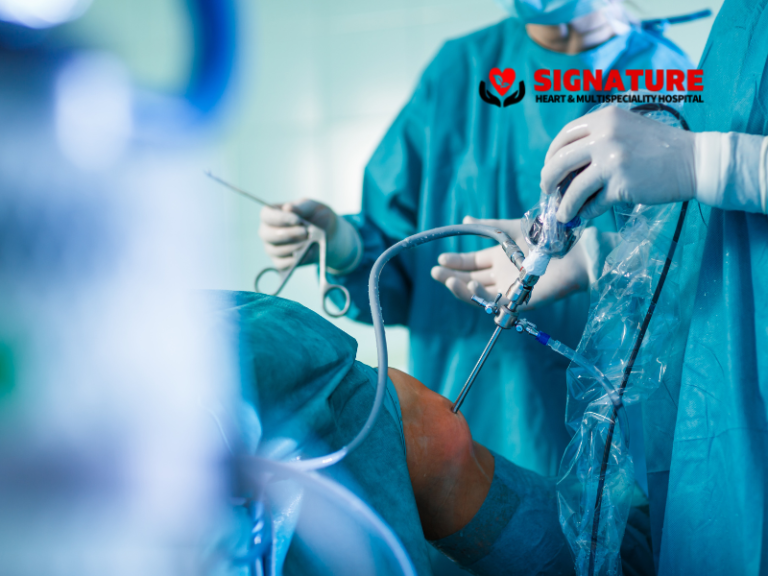
Laparoscopic surgery uses small incisions, a camera and specialised instruments to repair the hernia. In suitable patients, it may offer smaller scars and a faster recovery compared with some open procedures.
However, laparoscopic surgery is not suitable for everyone. The best approach depends on the individual case, previous operations and the surgeon’s expertise.
What Happens After Hernia Surgery?
Recovery varies according to the type of hernia, the surgical technique and the patient’s overall health. Your surgeon will provide instructions about wound care, pain management, walking and returning to normal activities.
Light movement is generally encouraged as advised by the treating team. Avoid heavy lifting and strenuous exercise until your surgeon confirms that it is safe. Attend follow-up appointments and report fever, worsening pain, wound redness or unusual discharge.
How Is a Hernia Diagnosed?
A doctor usually diagnoses a hernia through a physical examination and medical history. You may be asked to stand, cough or strain gently so the doctor can assess the bulge.
An ultrasound or other imaging test may be recommended when the diagnosis is unclear or the hernia is difficult to examine. Early evaluation can help identify the type of hernia and guide treatment planning.
Why Seek Hernia Evaluation in Yamuna Vihar?
Choosing appropriate care involves more than identifying a nearby hospital. Patients should understand their diagnosis, available surgical options, expected recovery time and possible risks before making a decision.
At the time of consultation, ask your doctor about:
- The type and severity of your hernia.
- Whether surgery is necessary now or monitoring is appropriate.
- The benefits and risks of open and laparoscopic surgery.
- Whether surgical mesh is recommended.
- Expected recovery time and activity restrictions.
- Follow-up care and signs of complications.
For residents of Yamuna Vihar and nearby areas of Delhi, SHMSD can be contacted to enquire about surgical consultation and the appropriate next steps for hernia evaluation.
Frequently Asked Questions
1. Can a hernia heal without surgery?
Most adult abdominal wall hernias do not heal on their own. Some minimally symptomatic inguinal hernias in selected adults can be monitored under medical supervision. A doctor can advise whether observation or surgery is appropriate.
2. Is hernia surgery painful?
Some pain and discomfort are expected after hernia surgery. Anaesthesia and prescribed pain relief help manage discomfort. The level and duration of pain depend on the procedure and individual recovery.
3. How long does it take to recover from hernia surgery?
Many people return to light daily activities within days, but complete recovery can take several weeks. Recovery depends on the hernia type, surgical method, job demands and the surgeon’s instructions.
4. Is laparoscopic hernia surgery better than open surgery?
Neither method is best for every patient. Laparoscopic surgery may provide smaller scars and quicker recovery in suitable cases, while open surgery may be more appropriate in others. The surgeon should recommend the method based on your condition.
5. When should I see a doctor for a hernia?
Consult a doctor if you notice a new bulge, persistent pain or increasing swelling. Sudden severe pain, vomiting, abdominal swelling or a hard, tender bulge requires emergency medical evaluation.
Explore More from Signature Heart & Multi-Speciality Hospital
https://shmsd.in/hospitals-near-me/yamuna-vihar/contact
https://shmsd.in/hospitals-near-me/yamuna-vihar/about
https://shmsd.in/hospitals-near-me/yamuna-vihar/doctors
https://shmsd.in/hospitals-near-me/yamuna-vihar/facilities
Book a Hernia Consultation in Yamuna Vihar
Do not ignore a persistent bulge or discomfort in the abdomen or groin. Early assessment can help identify the type of hernia, explain your treatment options and reduce the risk of delayed care.
Contact SHMSD to enquire about a surgical consultation and the next steps for hernia treatment.
SHMSD – Contact Details
- Phone: 76783 87693
- Email: info@shmsd.in
- Address: C-2/41 A, Main Service Lane, Block C, Yamuna Vihar, Delhi – 110053
Call today to discuss your symptoms and arrange an appropriate medical evaluation.