Gallbladder stones can remain unnoticed for years, but when they block the flow of bile, they may cause sudden abdominal pain, nausea and vomiting. Some people manage without immediate treatment, while others may need gallbladder removal surgery to prevent repeated attacks and complications.
For patients looking for gallbladder stone treatment in Yamuna Vihar, the important first step is understanding the symptoms, getting the right diagnosis and discussing suitable treatment with a general surgeon.
This guide explains the common signs of gallstones, foods to manage symptoms, available treatment options and when surgery may be necessary.
What Are Gallbladder Stones?
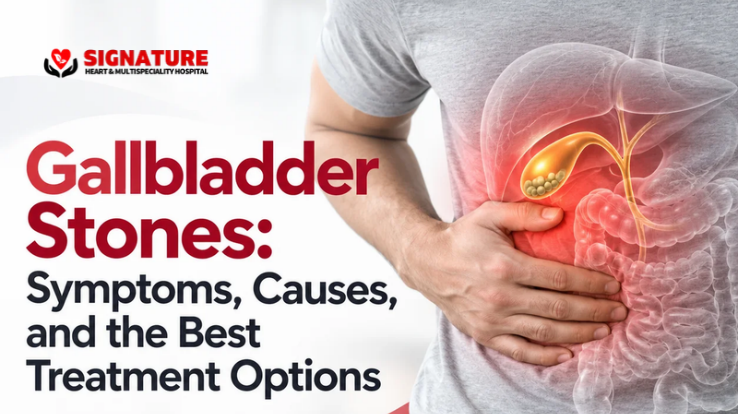
Gallbladder stones, also called gallstones, are hard deposits that develop inside the gallbladder. The gallbladder is a small organ located below the liver on the right side of the abdomen. It stores bile, a digestive fluid that helps the body process fats.
Gallstones can vary in size. Some are as small as grains, while others may become larger. They commonly form when substances in bile, such as cholesterol or bilirubin, become unbalanced.
Not everyone with gallstones experiences symptoms. Stones that do not cause problems are often called silent gallstones and may not require immediate treatment.
What Are the Common Symptoms of Gallbladder Stones?
Symptoms usually develop when a stone blocks the gallbladder’s outlet or a bile duct.
Common signs include:
- Pain in the upper right abdomen: Discomfort may develop below the right ribs and can be severe or constant.
- Pain after meals: Some people experience pain after eating, particularly following a heavy or fatty meal.
- Pain spreading to the back: Discomfort may extend towards the right shoulder or back.
- Nausea and vomiting: These symptoms may occur during a gallbladder attack.
- Bloating and indigestion: Some people report abdominal discomfort, although these symptoms can have several other causes.
A gallbladder attack may last from around 30 minutes to several hours. Repeated episodes should be medically evaluated rather than treated only with home remedies.
What Causes Gallstones?
Gallstones can develop for several reasons. Common risk factors include:
- Excess cholesterol in bile: Too much cholesterol can contribute to the formation of cholesterol stones.
- Obesity: Being overweight may increase the risk of gallstone formation.
- Rapid weight loss: Losing weight too quickly can increase the likelihood of developing gallstones.
- Age and gender: Gallstones become more common with age and are more frequently found in women.
- Certain medical conditions: Diabetes and some digestive or liver-related conditions may increase the risk.
Having one or more risk factors does not mean that a person will definitely develop gallstones.
Which Foods Should You Eat or Avoid If You Have Gallstones?
Diet cannot reliably dissolve existing gallstones or replace medical treatment. However, choosing suitable foods may help some people reduce symptoms, particularly while waiting for medical evaluation or surgery.
Foods That May Be Helpful
Consider including:
- Fresh fruits such as apples, papaya and oranges.
- Vegetables such as spinach, carrots and beans.
- Whole grains such as oats and whole-wheat roti.
- Low-fat milk and curd, if tolerated.
- Lean protein sources such as dal, beans and grilled chicken.
- Adequate water throughout the day.
Smaller, balanced meals may be more comfortable for some people than large, heavy meals.
Foods to Limit If They Trigger Symptoms
Some people notice discomfort after eating:
- Deep-fried foods such as samosas and pakoras.
- Butter, cream and high-fat dairy products.
- Fatty meat and processed meat.
- Heavy gravies and oily curries.
- Fast food and high-fat packaged snacks.
There is no single diet that works for everyone with gallstones. Keep track of foods that trigger your symptoms and discuss dietary changes with your doctor.
Important: Avoid crash diets, prolonged fasting and rapid weight-loss programmes. These approaches may increase gallstone risk.
How Are Gallbladder Stones Diagnosed?
A doctor may recommend tests to confirm the presence of gallstones and check whether they are causing complications.
1. Ultrasound of the Abdomen
An abdominal ultrasound is commonly used to identify gallstones and assess the gallbladder.
2. Blood Tests
Blood tests may help evaluate liver function and identify signs of infection, inflammation or possible blockage in the bile ducts.
3. Additional Imaging
If the doctor suspects stones in the common bile duct or another complication, additional imaging or specialised investigations may be recommended.
The choice of tests depends on the patient’s symptoms, examination and initial findings.
What Are the Treatment Options for Gallbladder Stones?
Treatment depends on whether the stones cause symptoms, where they are located and whether complications have developed.
1. Observation for Silent Gallstones
If gallstones are discovered incidentally and are not causing symptoms, immediate surgery may not be necessary. A doctor may recommend observation and explain which symptoms should prompt medical attention.
2. Medicines
Medicines that dissolve certain cholesterol stones may be suitable only for selected patients. They can take months or years to work, and stones may return. They are not a suitable replacement for surgery in most people with symptomatic gallstones.
3. Laparoscopic Gallbladder Removal Surgery
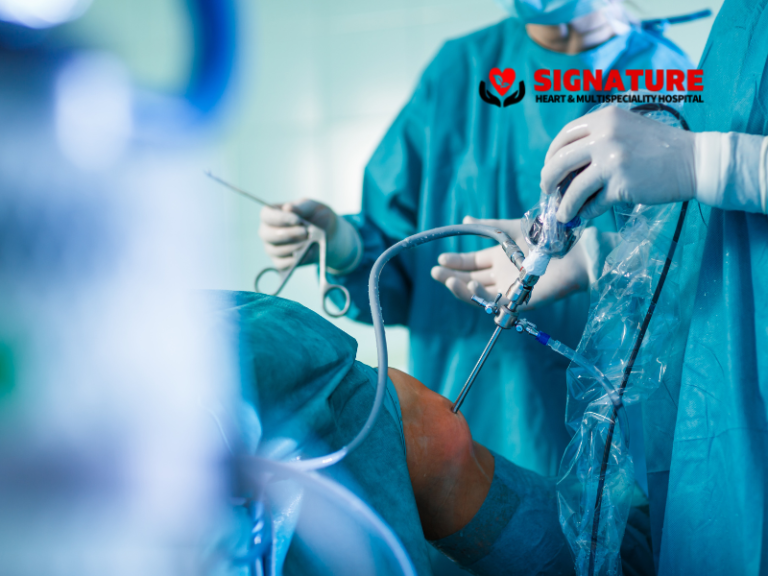
The standard treatment for symptomatic gallbladder stones is often laparoscopic cholecystectomy, also known as keyhole gallbladder surgery.
During this procedure:
- The patient receives general anaesthesia.
- The surgeon makes a few small cuts in the abdomen.
- A camera and specialised instruments are used to perform the operation.
- The gallbladder is removed through the small incisions.
Most patients can return to normal activities gradually after surgery, depending on their recovery and the surgeon’s advice.
4. ERCP for Bile Duct Stones
If a gallstone is stuck in the common bile duct, a procedure called Endoscopic Retrograde Cholangiopancreatography (ERCP) may be used to remove it.
ERCP is different from gallbladder removal surgery. The treating team decides whether it is needed based on the location of the stone and the patient’s condition.
When Should You Seek Immediate Medical Attention?
Gallstones can sometimes cause serious complications, including gallbladder inflammation, bile duct infection or pancreatitis.
Seek urgent medical attention if you experience:
- Severe or persistent abdominal pain.
- Fever or chills along with abdominal pain.
- Yellowing of the skin or eyes.
- Repeated vomiting.
- Dark-coloured urine or unusually pale stools.
- Severe pain spreading towards the back.
These symptoms may indicate a blocked bile duct or another complication. Do not delay emergency evaluation or rely on home remedies.
General Surgery for Gallbladder Stones at Signature Hospital, Yamuna Vihar
Signature Heart & Multispeciality Hospital provides general surgery services in Yamuna Vihar, Delhi. Its general surgery department lists gallbladder disease among the conditions managed by its surgical team.
Dr. Deepak Chauhan, General Surgeon (MBBS, MS), is listed by the hospital with experience in procedures including cholecystectomy.
Patients can discuss their ultrasound reports, symptoms and treatment options with the surgical team. The appropriate approach depends on the diagnosis, medical history and overall fitness for surgery.
Frequently Asked Questions About Gallbladder Stones
1. Can gallbladder stones go away without surgery?
Some silent gallstones do not require immediate treatment. However, symptomatic gallstones often need gallbladder removal surgery. Medicines dissolve only selected types of stones and are not suitable for everyone.
2. What is the best diet for gallbladder stones?
A balanced diet containing fruits, vegetables, whole grains and suitable low-fat protein sources may help manage symptoms. Limit foods that trigger discomfort, particularly heavy and fried meals. Diet does not reliably remove existing stones.
3. Is gallbladder stone surgery painful?
Laparoscopic gallbladder removal is performed under general anaesthesia, so the patient does not feel pain during the operation. Some abdominal discomfort can occur afterwards and is managed with appropriate medication.
4. Can a person live normally without a gallbladder?
Yes. The gallbladder is not essential for survival. After removal, the liver continues producing bile, which flows directly into the intestine. Most people can return to a normal, healthy diet after recovery.
5. When should I consult a doctor for gallbladder stones?
Consult a doctor if you experience repeated upper abdominal pain, nausea or vomiting, or if an ultrasound has identified gallstones. Severe persistent pain, fever, jaundice or repeated vomiting requires urgent medical attention.
Book a General Surgery Consultation at Signature Hospital
Gallbladder stones should not be ignored when they cause repeated pain or digestive discomfort. Early evaluation helps identify the location of the stones, check for complications and determine whether observation or surgery is appropriate.
If you are looking for gallbladder stone treatment in Yamuna Vihar, consult the General Surgery team at Signature Heart & Multispeciality Hospital.
Signature Heart & Multispeciality Hospital
Address: C-2/41 A, Main Service Lane, Block C, Yamuna Vihar, Delhi – 110053
Phone: 76783 87693
Email: info@shmsd.in
Website: https://shmsd.in/
Call today or request an appointment to discuss your symptoms and suitable treatment options. For severe abdominal pain, fever or jaundice, seek urgent medical attention.