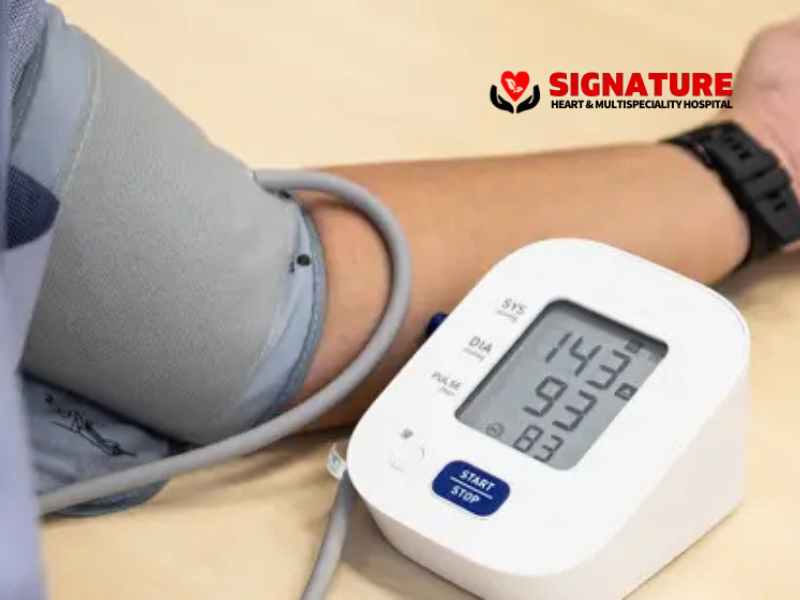
High blood pressure, also known as hypertension, is a common health condition in which the force of blood against the walls of the arteries remains consistently high. It often develops without noticeable symptoms, which is why many people may have hypertension without knowing it.
If left uncontrolled, high blood pressure can increase the risk of heart disease, stroke and kidney problems. Regular blood pressure checks, healthy lifestyle habits and timely medical consultation can help manage the condition and reduce the risk of complications.
If you are looking for a doctor for high blood pressure in Yamuna Vihar, understanding the warning signs, causes and available treatment options is a useful first step.
What Is High Blood Pressure?
Blood pressure is the force exerted by circulating blood against the walls of the arteries. It is recorded using two numbers:
- Systolic pressure: The upper number, which measures pressure when the heart beats.
- Diastolic pressure: The lower number, which measures pressure when the heart rests between beats.
According to the World Health Organization (WHO), hypertension in adults is generally diagnosed when blood pressure readings are 140/90 mmHg or higher on measurements taken on two different days.
A single high reading does not automatically confirm hypertension. A healthcare professional may recommend repeat measurements and further assessment before making a diagnosis.
What Are the Symptoms of High Blood Pressure?
High blood pressure is often called a silent condition because most people do not experience noticeable symptoms in its early stages.
However, very high blood pressure may sometimes be associated with:
- Severe or persistent headaches
- Blurred vision or sudden changes in eyesight
- Chest pain
- Dizziness
- Shortness of breath
- Nausea or vomiting
- Confusion or unusual weakness
- Nosebleeds in some cases
These symptoms do not always mean that a person has hypertension. Similarly, having no symptoms does not mean that blood pressure is normal.
The most reliable way to identify high blood pressure is to measure it regularly using a properly functioning blood pressure monitor.
What Are the Common Causes and Risk Factors of Hypertension?
High blood pressure can develop due to a combination of lifestyle, genetic and medical factors. Some common risk factors include:
1. Excessive Salt Intake
Eating too much salt can contribute to increased blood pressure. Frequent consumption of packaged snacks, pickles, processed foods and salty meals may increase sodium intake.
2. Lack of Physical Activity
A sedentary lifestyle can contribute to weight gain and increase the risk of hypertension. Regular physical activity supports heart and blood vessel health.
3. Being Overweight
Excess body weight can place additional strain on the cardiovascular system and increase the likelihood of developing high blood pressure.
4. Family History and Age
People with a family history of hypertension may have a higher risk. The likelihood of developing high blood pressure also generally increases with age.
5. Diabetes and Kidney Problems
Diabetes and chronic kidney disease are associated with a higher risk of hypertension. People living with these conditions may need regular blood pressure monitoring.
6. Tobacco, Alcohol and Stress
Tobacco use, excessive alcohol consumption and prolonged stress can negatively affect cardiovascular health and contribute to blood pressure problems.
Not every person with these risk factors will develop hypertension. A medical evaluation can help identify individual risks and guide appropriate care.
Why Is High Blood Pressure Dangerous if Left Untreated?
Uncontrolled hypertension can gradually damage blood vessels and important organs. Over time, it may increase the risk of:
- Heart disease: Increased pressure can strain the heart and contribute to heart-related complications.
- Stroke: Damaged or narrowed blood vessels can affect blood supply to the brain.
- Kidney damage: Persistent high blood pressure can damage the blood vessels that help the kidneys filter waste.
- Vision problems: Damage to the blood vessels in the eyes can affect eyesight.
- Heart failure: Long-term pressure overload can make it harder for the heart to pump blood effectively.
Early diagnosis and consistent treatment can help reduce these risks.
How Can You Manage High Blood Pressure?
Hypertension management usually involves lifestyle changes and, when necessary, prescribed medication. Your treatment plan depends on your blood pressure readings, medical history and other health conditions.
Some helpful habits include:
Follow a balanced, low-salt diet: Include vegetables, fruits, whole grains and suitable protein sources. Limit highly processed and salty foods.
Exercise regularly: Walking, cycling and other suitable physical activities can support cardiovascular health. Choose an exercise routine according to your doctor’s advice.
Maintain a healthy weight: Gradual and sustainable weight management may help improve blood pressure control.
Avoid tobacco and limit alcohol: Tobacco use and excessive alcohol consumption can increase cardiovascular risks.
Manage stress and sleep: Maintain a consistent sleep schedule and practise relaxation activities such as gentle yoga or meditation.
Take prescribed medicines regularly: Do not stop, skip or change blood pressure medication without consulting your doctor, even if your readings improve.
When Should You Consult a Doctor for High Blood Pressure?
You should consider consulting a doctor if:
- Your blood pressure readings are repeatedly higher than the recommended range.
- You have diabetes, kidney disease or an existing heart condition.
- You experience recurring headaches, dizziness or unusual symptoms.
- You have a family history of hypertension.
- You are already taking blood pressure medication and your readings remain uncontrolled.
During a consultation, the doctor may review your medical history, measure your blood pressure, assess other risk factors and recommend tests if needed. These may include blood and urine tests, kidney function assessment or an ECG, depending on your condition.
When Is High Blood Pressure a Medical Emergency?
If your blood pressure reading is higher than 180/120 mmHg, wait at least one minute and measure it again.
If the reading remains this high, contact a healthcare professional immediately for guidance. If it is accompanied by chest pain, difficulty breathing, weakness, numbness, vision changes or difficulty speaking, seek emergency medical care immediately. Do not wait for the reading to improve on its own.
Consult a Doctor for Hypertension at Signature Heart & Multispeciality Hospital, Yamuna Vihar
Managing high blood pressure requires accurate diagnosis, regular monitoring and a treatment plan suited to your health needs.
At Signature Heart & Multispeciality Hospital, Yamuna Vihar, Delhi, patients can access General Medicine and Cardiology services for blood pressure evaluation, cardiovascular health concerns and medical guidance.
The hospital’s medical team includes:
- Dr. Umesh Gupta – Internal Medicine: Provides medical consultation for conditions including diabetes, infections and other general medical concerns.
- Dr. Ashish Singhal – Cardiologist: Provides specialist care for heart-related health concerns.
If you are looking for a doctor consultation for high blood pressure in Yamuna Vihar, timely medical evaluation can help you understand your readings and take appropriate steps towards better blood pressure control.
Hospital: Signature Heart & Multispeciality Hospital
Address: C-2/41 A, Main Service Lane, Block C, Yamuna Vihar, Delhi – 110053
Appointment & Emergency Helpline: 76783 87693
Website: https://shmsd.in/
Health information: https://healthconnect.shmsd.in/
Frequently Asked Questions About High Blood Pressure
1. What is considered high blood pressure?
According to WHO, hypertension in adults is generally diagnosed when blood pressure is 140/90 mmHg or higher on measurements taken on two different days. Your doctor will interpret readings according to your health and medical history.
2. Can high blood pressure occur without symptoms?
Yes. Most people with hypertension do not experience noticeable symptoms. Regular blood pressure measurement is important for early detection.
3. What are the main causes of high blood pressure?
Common risk factors include excessive salt intake, physical inactivity, excess body weight, family history, increasing age, tobacco use, excessive alcohol consumption, diabetes and kidney disease.
4. Can high blood pressure be controlled naturally?
Lifestyle changes such as reducing salt intake, exercising regularly, maintaining a healthy weight and avoiding tobacco can help manage blood pressure. However, some people also need prescribed medication.
5. Which doctor should I consult for hypertension?
An Internal Medicine specialist or General Physician can evaluate and manage high blood pressure. A Cardiologist may be recommended when there are heart-related concerns or a need for specialist assessment.
6. Where can I consult a doctor for high blood pressure in Yamuna Vihar?
You can visit Signature Heart & Multispeciality Hospital, C-2/41 A, Main Service Lane, Block C, Yamuna Vihar, Delhi, for General Medicine and Cardiology consultations.
Medical Disclaimer: This article is intended for general health education and does not replace professional medical advice, diagnosis or treatment. Consult a qualified healthcare professional for an individual assessment and treatment plan.