Winter can make diabetes management more challenging. Colder temperatures, reduced physical activity, changes in eating habits and seasonal infections may affect blood glucose levels. People living with diabetes should continue monitoring their sugar levels, follow their prescribed medicines and maintain a balanced daily routine throughout the colder months.
If you have diabetes, a few consistent habits can help you manage your blood sugar more effectively during winter. Here are practical tips to help you stay active, eat wisely and protect your overall health.
Why Can Blood Sugar Levels Change During Winter?
Many people with diabetes notice changes in their blood sugar readings during winter. Cold weather may place physical stress on the body, while seasonal infections such as flu can trigger stress hormones that raise blood glucose levels.
There are other reasons why diabetes management may become difficult during this season:
- Reduced physical activity: Colder mornings and shorter days can make people less likely to walk or exercise.
- Changes in eating habits: Winter comfort foods, sweets and larger meals may increase carbohydrate intake.
- Seasonal infections: Colds, flu and other illnesses can affect blood sugar levels.
- Reduced water intake: People may drink less water because they feel less thirsty in cold weather.
- Changes in daily routine: Irregular meal timings, sleep patterns and medication schedules can affect diabetes control.
These factors do not affect everyone in the same way. Regular monitoring helps you understand how your body responds to seasonal changes.
7 Important Winter Diabetes Care Tips
1. Monitor Your Blood Sugar Regularly
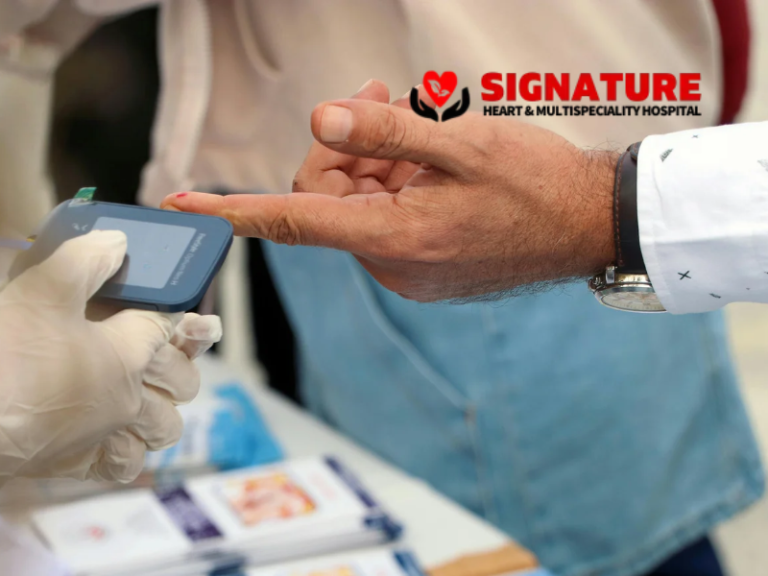
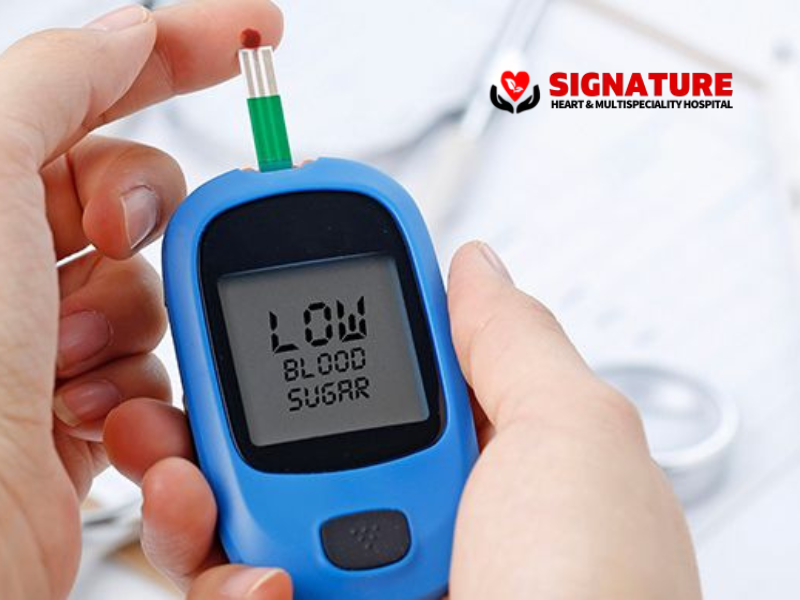
Do not reduce your blood sugar monitoring just because it is cold outside. Check your glucose levels according to your doctor’s advice and prescribed monitoring schedule.
If you are unwell, notice unusual readings or experience symptoms of low or high blood sugar, follow your healthcare provider’s instructions about additional testing.
Cold hands can make glucose testing uncomfortable. Warm your hands gently before using your glucometer. If you use insulin or a continuous glucose monitor, follow the manufacturer’s storage and temperature instructions.
2. Stay Physically Active Indoors
Cold weather should not become a reason to stop exercising. Physical activity helps the body use insulin more effectively and supports blood glucose management.
If outdoor walks are difficult, try activities at home, such as:
- Walking indoors for short intervals
- Gentle stretching
- Yoga, if suitable for your health
- Light household activities
- Doctor-approved strength or mobility exercises
Aim for a consistent routine rather than sudden, intense workouts. If you use insulin or medicines that can cause low blood sugar, ask your doctor how to manage glucose checks and meals around exercise.
3. Choose Balanced Winter Meals
Winter meals can include nutritious seasonal foods without disrupting your diabetes care plan. The key is to pay attention to portion sizes, carbohydrate intake and meal balance.
Include vegetables, pulses, whole grains and suitable protein sources in your meals. Seasonal vegetables such as spinach, cauliflower, carrots and methi can be part of a balanced diet.
Try to:
- Choose whole grains and fibre-rich foods in appropriate portions.
- Include protein sources such as dal, beans, eggs or other options suitable for your diet.
- Limit sugary drinks, sweets and desserts.
- Avoid frequent snacking on fried and highly processed foods.
- Maintain regular meal timings.
You do not need to eliminate every favourite winter food. Instead, discuss suitable portions and meal choices with your doctor or dietitian.
4. Do Not Ignore Hydration
People often drink less water during winter because they do not feel as thirsty. However, adequate hydration remains important for overall health and diabetes management.
Drink water regularly throughout the day, unless your doctor has advised you to restrict fluids because of a medical condition such as kidney or heart disease.
Avoid using sugary beverages as a substitute for water. If you prefer warm drinks, choose unsweetened options that fit your dietary plan.
5. Take Your Diabetes Medicines on Time
Continue taking prescribed diabetes medicines and insulin according to your doctor’s instructions. Do not stop, reduce or increase your dose simply because your routine or appetite changes during winter.
If you develop fever, cough, vomiting, diarrhoea or another infection, contact your healthcare provider for advice. Illness can affect blood glucose levels, and you may need an individualised sick-day management plan.
Store insulin and other diabetes supplies according to their product instructions. Protect them from extreme cold and never allow insulin to freeze.
6. Protect Your Feet and Skin
People with diabetes may have reduced sensation or circulation problems in their feet. Cold weather and dry indoor air can increase the risk of dry, cracked skin and unnoticed injuries.
Follow these precautions:
- Check your feet daily for cuts, blisters, swelling or colour changes.
- Wash and dry your feet carefully, especially between the toes.
- Apply moisturiser to dry skin, but avoid applying it between the toes.
- Wear clean, dry socks and comfortable footwear.
- Avoid placing your feet directly against heaters, hot-water bottles or heating pads.
If you notice a wound, infection, persistent redness or swelling, seek medical advice promptly rather than treating it yourself.
7. Keep Up With Regular Diabetes Check-ups
Winter is a good time to review your diabetes management plan, especially if your readings have changed or you have been less active.
Your doctor may review your blood glucose records, medicines, blood pressure and other health concerns. Tests such as HbA1c may be recommended depending on your treatment plan and when your last test was performed.
Regular follow-ups can help identify problems early and guide any necessary changes to your care.
When Should You Consult a Diabetologist?
Consult a doctor if your blood sugar readings remain outside your recommended range, you experience repeated episodes of low blood sugar, or you find it difficult to manage diabetes during an illness.
Seek urgent medical attention if you experience severe weakness, confusion, difficulty breathing, persistent vomiting, loss of consciousness or other serious symptoms.
Do not wait for your next routine appointment if you develop a foot wound, signs of infection or a sudden deterioration in your health.
Diabetes Care at Signature Heart & Multispeciality Hospital, Yamuna Vihar
Managing diabetes requires more than checking blood sugar occasionally. It involves regular medical guidance, appropriate medication, lifestyle planning and follow-up care.
At Signature Heart & Multispeciality Hospital, Yamuna Vihar, Delhi, patients can access General Medicine services for diabetes, blood pressure concerns, preventive health assessments and medication reviews.
Dr. Umesh Gupta, Internal Medicine specialist and Diabetologist, has over 35 years of experience. Patients can consult the hospital for medical evaluation and guidance on managing diabetes throughout the year, including during winter.
If you are looking for a diabetologist in Yamuna Vihar, Delhi, timely consultation can help you understand your blood sugar readings and follow a care plan suited to your health needs.
Hospital: Signature Heart & Multispeciality Hospital
Address: C-2/41 A, Main Service Lane, Block C, Yamuna Vihar, Delhi – 110053
Appointment number: 76783 87693
Website: https://shmsd.in/
Health information and blogs: https://healthconnect.shmsd.in/
Frequently Asked Questions
1. Does cold weather increase blood sugar levels?
Cold weather may contribute to higher blood sugar in some people. Physical stress, seasonal infections, reduced activity and changes in eating habits can all affect glucose levels.
2. What should people with diabetes eat during winter?
Choose balanced meals with suitable portions of vegetables, whole grains, pulses and protein. Limit sugary foods and highly processed snacks while following your individual diet plan.
3. Is walking good for diabetes during winter?
Yes. Regular physical activity can support blood glucose management. If outdoor walking is uncomfortable, try indoor walking or other doctor-approved exercises.
4. Should people with diabetes drink more water in winter?
Maintaining adequate hydration is important, even when you feel less thirsty. However, people with kidney or heart conditions should follow their doctor’s individual fluid recommendations.
5. How often should blood sugar be checked during winter?
The frequency depends on your diabetes type, medicines, treatment plan and glucose control. Follow the monitoring schedule recommended by your doctor, and ask whether additional checks are needed when you are unwell.
6. Which doctor should I consult for diabetes in Yamuna Vihar?
You can consult an Internal Medicine specialist or Diabetologist for diabetes evaluation, blood sugar monitoring, medication review and ongoing care. Signature Heart & Multispeciality Hospital in Yamuna Vihar lists Dr. Umesh Gupta as a Diabetologist and Internal Medicine specialist.
Medical Disclaimer: This article is for general health education and does not replace medical consultation. Diabetes treatment, medication doses, diet and exercise recommendations should be personalised by a qualified healthcare professional.