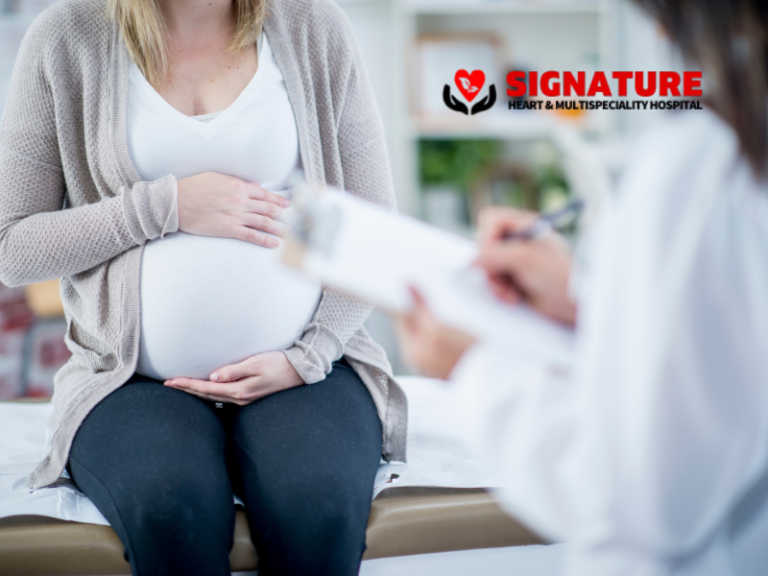
Pregnancy is an important journey, but some women may need additional medical attention to protect their health and support the baby’s development. Certain medical conditions, previous pregnancy complications, or problems that develop during pregnancy can increase the risk of complications.
A high-risk pregnancy does not always mean that something will go wrong. It simply means that the mother and baby may need closer medical supervision, additional tests, and a carefully planned pregnancy care schedule.
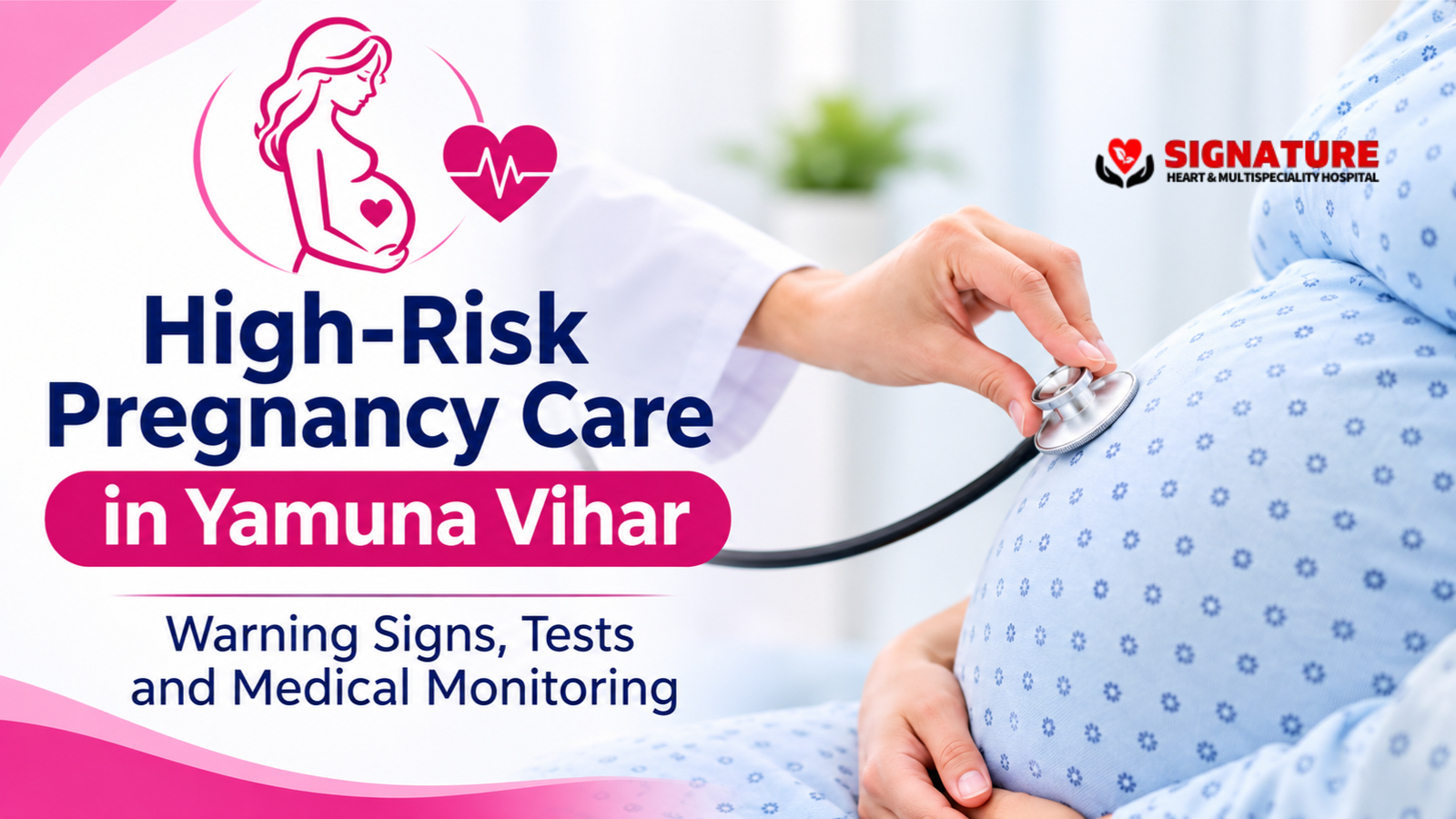
If you are looking for high-risk pregnancy care in Yamuna Vihar, consulting a qualified gynecologist or obstetrician can help you understand potential risks and receive appropriate medical guidance.
At Signature Heart & Multi-Speciality Hospital, Yamuna Vihar, the Gynecology & Obstetrics department provides pregnancy care, antenatal monitoring, and high-risk pregnancy care.
What Is a High-Risk Pregnancy?
A high-risk pregnancy is a pregnancy in which the mother, baby, or both have a higher chance of developing health complications compared with a routine pregnancy.
These risks may be present before conception or develop during pregnancy. However, having a risk factor does not automatically mean that complications will occur.
Some conditions that may increase pregnancy risks include:
- High blood pressure or hypertension.
- Diabetes before or during pregnancy.
- Thyroid disorders.
- Heart or kidney conditions.
- Multiple pregnancy, such as twins or triplets.
- Previous miscarriage or premature delivery.
- Previous pregnancy complications.
- Pregnancy at an advanced maternal age.
- Certain infections or blood-related conditions.
Women with these conditions may benefit from early pregnancy evaluation and regular specialist monitoring.
What Are the Warning Signs of a High-Risk Pregnancy?
Recognising warning signs during pregnancy is important. Some symptoms require immediate medical attention rather than waiting for the next scheduled appointment.
Important warning signs include:
1. Vaginal Bleeding
Bleeding during pregnancy should always be discussed with a healthcare professional. It may occur for different reasons, but heavy bleeding or bleeding accompanied by abdominal pain requires urgent evaluation.
2. Severe Headache and Blurred Vision
Persistent headaches, blurred vision, sudden swelling of the face or hands, and upper abdominal pain may indicate pre-eclampsia, a serious pregnancy-related blood pressure condition.
3. Severe Abdominal Pain
Strong or persistent abdominal pain should not be ignored. It may be associated with pregnancy complications, infection, or other medical conditions.
4. Reduced Baby Movements
After you begin regularly feeling your baby’s movements, a noticeable reduction or change in the usual movement pattern needs prompt assessment.
Do not wait until the next appointment if you notice reduced movements.
5. Excessive Vomiting and Dehydration
Severe vomiting that prevents you from keeping food or fluids down may cause dehydration and require medical treatment.
6. Swelling and Breathing Difficulty
Sudden swelling of the face and hands, chest discomfort, or difficulty breathing requires immediate medical assessment.
Important: Heavy bleeding, seizures, severe headache with visual changes, severe abdominal pain, breathing difficulty, or reduced fetal movements require urgent medical attention. Contact your healthcare provider or go to an emergency department immediately.
What Tests Are Recommended During a High-Risk Pregnancy?
The tests required during a high-risk pregnancy depend on the mother’s medical history, pregnancy stage, and specific risk factors.
A gynecologist or obstetrician may recommend the following investigations.
1. Blood Pressure Monitoring
Regular blood pressure checks help identify hypertension and possible signs of pre-eclampsia.
Women with existing high blood pressure may require more frequent monitoring.
2. Blood Tests
Blood investigations may include:
- Complete Blood Count (CBC) to assess anaemia.
- Blood group and Rh factor testing.
- Blood sugar testing.
- Thyroid function tests when indicated.
- Tests for selected infections.
- Kidney and liver function tests when clinically required.
3. Urine Tests
Urine examination may help identify urinary infections and protein in the urine. Protein testing is particularly important when evaluating possible pre-eclampsia.
4. Pregnancy Ultrasound
Ultrasound examinations help assess fetal growth, pregnancy development, placental position, and amniotic fluid levels.
Additional growth scans may be recommended when there are concerns about the baby’s development.
5. Fetal Monitoring
Depending on the pregnancy condition, doctors may recommend non-stress tests (NST), biophysical profiles, or Doppler ultrasound to assess fetal well-being and blood flow.
Not every woman needs all these tests. The monitoring schedule is personalised according to medical findings.
How Is a High-Risk Pregnancy Monitored?
Regular antenatal checkups are important for identifying changes in the mother’s health and the baby’s development.
High-risk pregnancy monitoring may include:
Maternal Health Monitoring: Regular assessment of blood pressure, blood sugar, weight, symptoms, and existing medical conditions.
Fetal Growth Monitoring: Ultrasound examinations may be recommended to evaluate the baby’s growth and development.
Medication Management: Women with diabetes, hypertension, thyroid disorders, or other conditions may need medication adjustments under medical supervision.
Nutrition Guidance: A balanced diet and appropriate supplements can support maternal health and fetal development.
Delivery Planning: The obstetrician may discuss the appropriate timing, place, and mode of delivery according to the mother’s and baby’s condition.
The frequency of appointments may increase if additional risks or complications develop.
How Can Women Reduce the Risk of Pregnancy Complications?
Although not all pregnancy complications can be prevented, certain habits can support a healthier pregnancy.
- Attend regular antenatal checkups.
- Take prescribed medicines and supplements.
- Follow your doctor’s nutrition recommendations.
- Monitor blood sugar and blood pressure when advised.
- Avoid smoking, alcohol, and tobacco.
- Get adequate sleep and rest.
- Avoid taking medicines without medical advice.
- Follow recommendations regarding physical activity.
- Report unusual symptoms without delay.
Women with existing health conditions should discuss pregnancy planning and medication safety with their doctor.
You can also explore our guide on Pregnancy Care in Yamuna Vihar: A Complete Guide for more information about antenatal visits, pregnancy tests, and care throughout the three trimesters.
Why Is Early Pregnancy Care Important?
Early pregnancy care helps doctors understand the mother’s health before complications become more difficult to manage.
During the initial consultation, the obstetrician may review previous pregnancies, existing medical conditions, medications, family history, and lifestyle factors.
Women with previous premature deliveries, pregnancy-related hypertension, diabetes, or other complications should discuss their history during the first appointment.
For additional information about women’s reproductive and maternity health, read our article on Gynecology and Pregnancy Care in Yamuna Vihar.
High-Risk Pregnancy Care at Signature Heart & Multi-Speciality Hospital
Choosing the right hospital and pregnancy specialist is important when additional medical monitoring is required.
Signature Heart & Multi-Speciality Hospital, Yamuna Vihar, provides Gynecology & Obstetrics services, including pregnancy care, antenatal care, postnatal care, delivery support, and high-risk pregnancy care.
The hospital lists specialists including:
- Dr. Surbhi Gupta (MBBS, MS) – Obstetrics & Gynaecology.
- Dr. Ashima Aron (MBBS, MS) – Obstetrics & Gynaecology.
- Dr. Praveen Kumar (MBBS, DGO) – Gynecology & Obstetrics.
The hospital also provides diagnostic support, ICU facilities, and 24×7 emergency services.
Women can explore Women’s Health and Maternity Care in Yamuna Vihar to learn more about the hospital’s women’s healthcare services.
You can also visit the Dr. Surbhi Gupta Gynecologist Profile for information about the specialist.
Frequently Asked Questions About High-Risk Pregnancy
1. What makes a pregnancy high-risk?
A pregnancy may be considered high-risk due to conditions such as diabetes, high blood pressure, thyroid disorders, multiple pregnancy, previous pregnancy complications, or certain maternal health conditions.
2. How often should women with high-risk pregnancies visit a doctor?
The frequency depends on the mother’s condition, pregnancy stage, and medical findings. Some women need more frequent consultations and additional monitoring than women with routine pregnancies.
3. Which tests are important during a high-risk pregnancy?
Common investigations may include blood tests, urine tests, blood pressure monitoring, pregnancy ultrasounds, blood sugar testing, and fetal monitoring such as NST or Doppler when indicated.
4. Can a woman with diabetes or high blood pressure have a healthy pregnancy?
Yes. Many women with these conditions have healthy pregnancies with appropriate medical management, regular monitoring, and a personalised care plan.
5. Where can I get high-risk pregnancy care in Yamuna Vihar?
You can contact the Gynecology & Obstetrics department at Signature Heart & Multi-Speciality Hospital, C-2/41 A, Main Service Lane, Block C, Yamuna Vihar, Delhi – 110053. Call 76783 87693 to enquire about doctor availability and pregnancy consultations.
Book Your High-Risk Pregnancy Consultation in Yamuna Vihar
A high-risk pregnancy needs attention, regular medical monitoring, and a well-planned care approach. Recognising warning signs and attending scheduled antenatal appointments can help doctors identify complications and recommend appropriate treatment.
If you have diabetes, high blood pressure, a history of pregnancy complications, or concerns about your baby’s development, consult the Gynecology & Obstetrics team at Signature Heart & Multi-Speciality Hospital, Yamuna Vihar.
Hospital: Signature Heart & Multi-Speciality Hospital
Address: C-2/41 A, Main Service Lane, Block C, Yamuna Vihar, Delhi – 110053
Appointment & Emergency Helpline: 76783 87693
Email: info@shmsd.in
Availability: Open 24 Hours
Call today to enquire about a pregnancy consultation and discuss the appropriate medical monitoring for a safer and better-informed pregnancy journey.