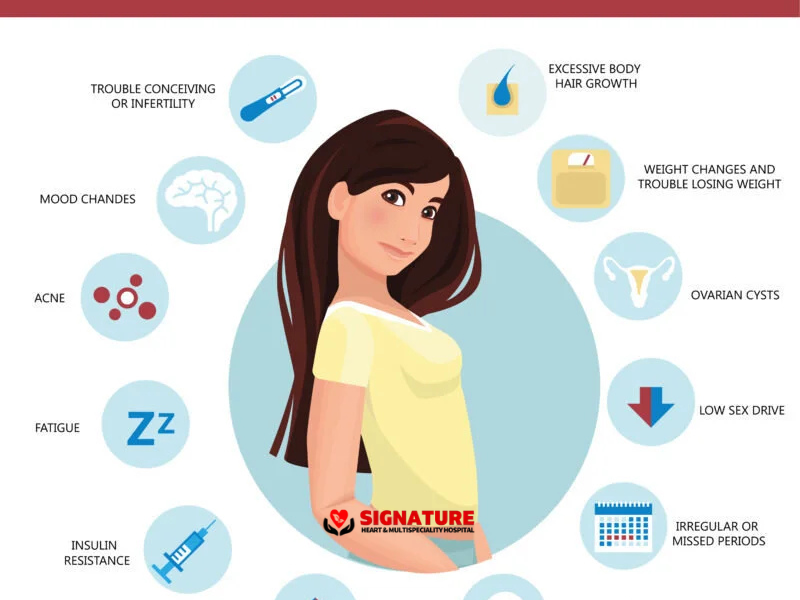
Polycystic Ovary Syndrome (PCOS) is a common hormonal condition that affects women during their reproductive years. It can influence menstrual cycles, hormone levels, skin health, weight management and fertility. Many women experience symptoms such as irregular periods, acne, unwanted facial hair or difficulty getting pregnant without immediately recognising that these concerns may be related to PCOS.
Understanding the early signs of PCOS can help women seek timely medical advice and manage the condition effectively. With the right diagnosis, lifestyle changes and personalised medical treatment, most women with PCOS can manage their symptoms and maintain a healthy quality of life.
What Is PCOS (Polycystic Ovary Syndrome)?
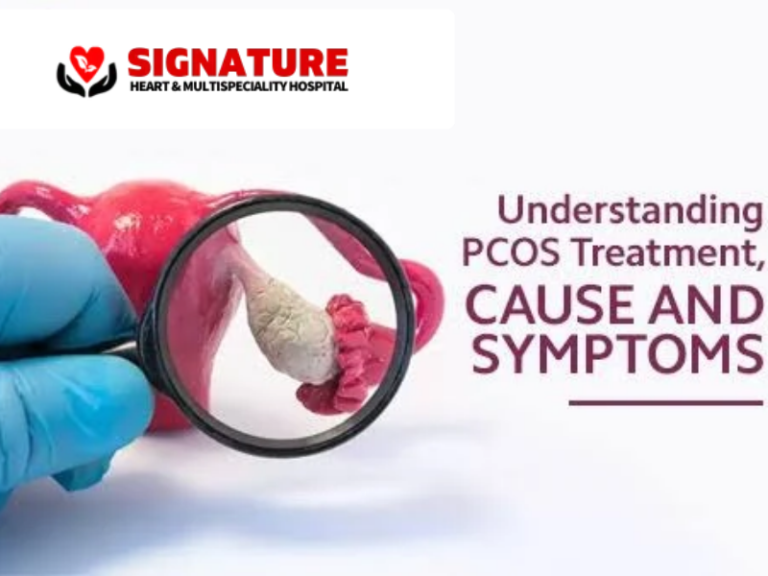
PCOS is a hormonal and metabolic condition in which the ovaries may produce higher levels of androgens (commonly called male hormones), which can interfere with normal ovulation and menstrual cycles.
Women with PCOS may experience irregular periods, hormonal acne, excess facial or body hair and difficulty conceiving. Some women may also have insulin resistance, which can affect how the body regulates blood sugar.
Despite its name, having ovarian cysts is not necessary to be diagnosed with PCOS. The condition is identified through a combination of symptoms, medical evaluation and appropriate investigations.
What Are the Common Symptoms of PCOS in Women?
PCOS symptoms can vary from one woman to another. Some women experience several symptoms, while others may notice only one or two.
Common PCOS symptoms include:
1. Irregular or Missed Periods
One of the most common signs of PCOS is an irregular menstrual cycle. Periods may occur infrequently, be delayed for several weeks or months, or sometimes stop altogether. This can happen when ovulation does not occur regularly.
2. Excess Facial and Body Hair
Higher androgen levels can cause unwanted hair growth on the chin, upper lip, chest, abdomen and other areas. This condition is known as hirsutism.
3. Acne and Oily Skin
Hormonal changes may increase oil production in the skin, leading to persistent acne, particularly around the jawline, chin and lower face.
4. Weight Gain or Difficulty Losing Weight
Some women with PCOS experience weight gain, particularly around the abdomen. Insulin resistance may contribute to metabolic difficulties and make weight management more challenging.
5. Hair Thinning or Hair Loss
Increased androgen activity can contribute to thinning hair on the scalp, particularly around the crown and front of the head.
6. Difficulty Getting Pregnant
Irregular ovulation can make it difficult to predict fertile days and conceive naturally. However, PCOS does not mean that pregnancy is impossible. Many women with PCOS conceive with appropriate medical guidance and fertility treatment when needed.
What Causes PCOS in Women?
The exact cause of PCOS is not fully understood. However, several factors are believed to contribute to its development:
- Hormonal imbalance: Higher androgen levels can interfere with normal ovulation and contribute to acne and unwanted hair growth.
- Insulin resistance: When the body does not respond effectively to insulin, it may produce more insulin, which can encourage increased androgen production.
- Genetic factors: PCOS may run in families. Women with a family history of PCOS or type 2 diabetes may have a higher risk.
- Metabolic factors: Changes in metabolism and weight-related factors can influence symptoms and overall health.
These factors may interact differently in each woman, which is why PCOS requires an individualised approach to diagnosis and management.
How Is PCOS Diagnosed?
There is no single test that confirms PCOS. A gynaecologist evaluates a woman’s symptoms, medical history and examination findings before recommending appropriate investigations.
Common diagnostic steps include:
1. Medical History and Menstrual Assessment
The doctor may ask about menstrual cycle patterns, weight changes, acne, unwanted hair growth and pregnancy history.
2. Blood Tests
Hormonal blood tests may help assess androgen levels and exclude other conditions that can cause similar symptoms. Blood glucose and cholesterol assessments may also be recommended to evaluate metabolic health.
3. Pelvic Ultrasound
An ultrasound may be used to examine the ovaries and assess their appearance. However, an ultrasound is not always necessary to diagnose PCOS, particularly when other diagnostic criteria are already met.
A proper diagnosis is important because irregular periods and hormonal symptoms can also occur due to other medical conditions.
What Are the Treatment Options for PCOS?
PCOS treatment depends on the symptoms, overall health, metabolic risk factors and whether a woman is planning pregnancy.
There is no single treatment that works for everyone. A gynaecologist may recommend one or more of the following approaches:
1. Lifestyle Changes
Healthy eating, regular physical activity, adequate sleep and sustainable weight management can support hormonal and metabolic health. Even without weight loss, healthy lifestyle habits can provide benefits for women with PCOS.
2. Medicines to Regulate Menstrual Cycles
Depending on individual needs, doctors may prescribe hormonal contraceptive medicines or progestogen-based treatment to help manage irregular periods and protect the uterine lining.
3. Treatment for Acne and Excess Hair Growth
Certain prescribed hormonal medicines and dermatological treatments may help manage acne and unwanted hair growth. The choice depends on symptoms, medical history and pregnancy plans.
4. Medicines for Insulin Resistance
Metformin may be recommended in selected women, particularly when metabolic concerns or insulin resistance are present. It should only be taken under medical supervision.
5. Fertility Treatment
Women experiencing difficulty conceiving due to irregular ovulation may benefit from fertility evaluation and ovulation-induction treatment. The appropriate treatment depends on individual fertility factors and medical assessment.
Can PCOS Be Managed Naturally?
PCOS is a long-term condition, but its symptoms can often be managed with consistent lifestyle habits and appropriate medical care.
Some helpful practices include:
- Eat a balanced diet with vegetables, fruits, whole grains, protein and healthy fats.
- Include regular physical activity, such as walking, cycling or strength exercises.
- Maintain a consistent sleep schedule.
- Avoid crash diets and extreme weight-loss methods.
- Attend recommended medical check-ups and monitor metabolic health.
There is no single PCOS diet or natural remedy that cures the condition. Avoid starting supplements or hormonal treatments without consulting a healthcare professional.
When Should You Consult a Gynaecologist?
You should consider consulting a gynaecologist if you experience:
- Frequently missed or irregular periods.
- Persistent acne or excessive facial hair growth.
- Unexplained hair thinning or significant weight changes.
- Difficulty getting pregnant.
- Prolonged gaps between menstrual periods.
- Symptoms that are affecting your physical or emotional well-being.
If you experience unusually heavy bleeding, severe pelvic pain, fainting or other sudden concerning symptoms, seek prompt medical attention rather than assuming they are caused by PCOS.
Early evaluation can help identify the underlying problem and prevent delays in appropriate care.
Consult a Gynaecologist for PCOS Management in Yamuna Vihar, Delhi
Managing PCOS starts with understanding your symptoms and receiving the right medical guidance. Regular consultations can help women monitor menstrual health, assess hormonal and metabolic concerns and choose treatment options based on their individual needs.
At Signature Heart & Multispeciality Hospital, Yamuna Vihar, Delhi, the Gynecology & Obstetrics department provides consultations for PCOS/PCOD, menstrual irregularities, infertility evaluation and other women’s health concerns.
Women looking for a gynaecologist in Yamuna Vihar can explore the hospital’s women’s healthcare services and consult the available specialists for personalised medical evaluation.
Take the first step towards better hormonal health.
Book a gynaecology consultation at Signature Heart & Multispeciality Hospital, Yamuna Vihar, Delhi.
Website: https://shmsd.in/
Appointment: 76783 87693
Frequently Asked Questions (FAQs)
1. What are the first signs of PCOS in women?
Irregular periods, persistent acne, unwanted facial hair, scalp hair thinning and unexplained weight changes can be early signs of PCOS. Symptoms vary between individuals.
2. Can PCOS cause irregular periods?
Yes. Hormonal changes associated with PCOS can interfere with ovulation, resulting in delayed, irregular or missed periods.
3. Can a woman with PCOS get pregnant?
Yes. Many women with PCOS can conceive naturally or with medical assistance. Treatment may help improve ovulation and address other fertility concerns.
4. Is an ultrasound necessary to diagnose PCOS?
Not always. PCOS can be diagnosed using a combination of clinical features and investigations. In adults, ultrasound may not be required when other diagnostic criteria are already established.
5. Can PCOS be permanently cured?
There is currently no permanent cure for PCOS. However, symptoms can often be effectively managed through lifestyle changes, medical treatment and regular follow-up.
6. Which doctor should I consult for PCOS?
A gynaecologist can evaluate menstrual irregularities, hormonal symptoms and reproductive health concerns and recommend an appropriate management plan.
Medical Disclaimer: This article is intended for general health awareness and educational purposes only. It should not replace professional medical advice, diagnosis or treatment. Consult a qualified healthcare professional for individual medical concerns.