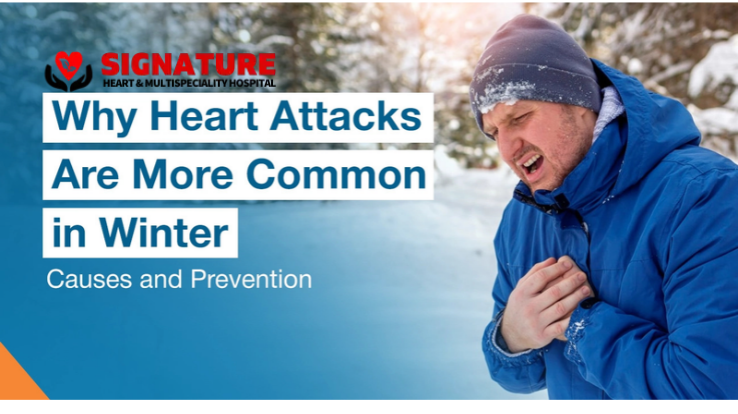
Winter brings pleasant weather to Delhi, but colder temperatures can place additional stress on the heart. Some people may experience increased blood pressure, reduced blood flow and greater strain on the cardiovascular system during cold spells. The risk can be more concerning for older adults and people with existing heart disease, diabetes or high blood pressure.
Understanding why heart attacks increase in winter, recognising early warning signs and taking preventive steps can help protect your heart.
Why Does the Risk of Heart Attack Increase in Winter?
Cold weather can affect the heart and blood circulation in several ways. A heart attack usually occurs when blood flow to part of the heart muscle becomes blocked. Winter conditions may increase cardiovascular stress, particularly in people who already have risk factors.
Here are some important reasons.
1. Blood Vessels Become Narrower
When the body is exposed to cold temperatures, blood vessels narrow to reduce heat loss. This process is called vasoconstriction.
Narrower blood vessels can increase blood pressure and make the heart work harder to circulate blood. For people with narrowed or blocked coronary arteries, this additional strain can be a concern.
2. Blood Pressure May Increase
Blood pressure can rise in colder weather because the blood vessels become narrower. People with hypertension should be especially careful during winter.
Uncontrolled high blood pressure can damage blood vessels over time and increase the risk of heart attack and stroke.
3. Physical Exertion Can Strain the Heart
Some people suddenly increase their physical activity during winter, such as doing heavy household work, exercising outdoors or walking quickly in very cold conditions.
Sudden strenuous activity can place additional demands on the heart, especially when a person is not accustomed to regular exercise.
4. Delhi’s Winter Air Pollution
Delhi often experiences poor air quality during winter. Fine particulate matter and other air pollutants can affect the cardiovascular and respiratory systems.
People with existing heart or lung conditions should pay attention to air quality reports and limit prolonged outdoor exertion when pollution levels are high.
5. Changes in Daily Habits
Winter routines can also affect heart health. People may exercise less, eat heavier meals, sleep irregularly or smoke more frequently.
Seasonal respiratory infections can also place additional stress on the body. These factors may contribute to cardiovascular risk, particularly among people who already have heart-related health concerns.
Who Is at Higher Risk of a Heart Attack in Winter?
Although a heart attack can affect anyone, some people need to take extra precautions during colder months.
Higher-risk groups include:
- Adults above 60 years of age.
- People with high blood pressure.
- People living with diabetes.
- Individuals with high cholesterol.
- People with a history of heart attack or coronary artery disease.
- Smokers and tobacco users.
- People with obesity or limited physical activity.
- Individuals with a family history of heart disease.
If you belong to any of these groups, discuss your winter health precautions and check-up schedule with a qualified doctor.
What Are the Warning Signs of a Heart Attack?
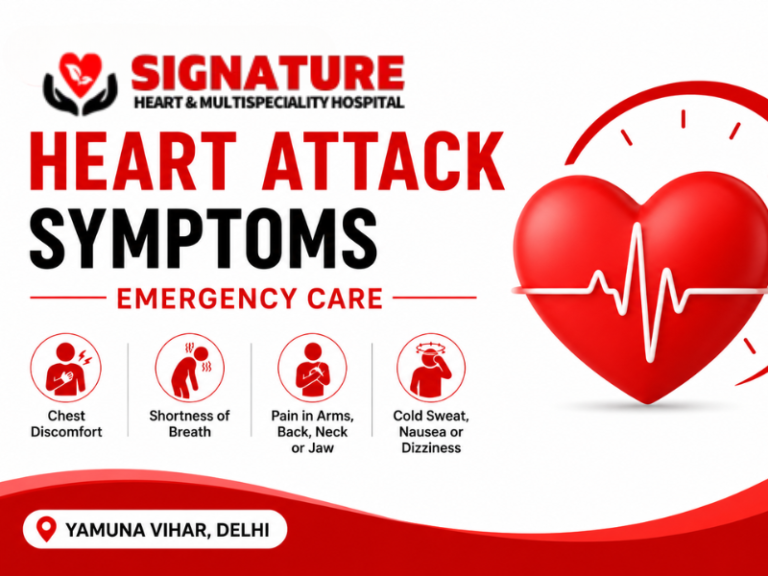
Recognising heart attack symptoms early is extremely important. Some heart attacks begin suddenly, while others start with mild discomfort that gradually becomes worse.
Common warning signs include:
Chest Pain or Pressure
A person may experience pressure, tightness, squeezing, heaviness or pain in the centre of the chest. The discomfort may last several minutes or disappear and return.
Pain in the Arm, Shoulder, Back or Jaw
Pain may spread from the chest to one or both arms, shoulders, neck, jaw or back.
Shortness of Breath
Difficulty breathing may occur with or without chest discomfort. It should not be ignored, especially if it begins suddenly.
Cold Sweating and Dizziness
Unusual sweating, light-headedness, weakness or fainting can sometimes accompany a heart attack.
Nausea or Unusual Tiredness
Some people experience nausea, vomiting, indigestion-like discomfort or unexplained fatigue.
Important: Heart attack symptoms can vary between individuals. Women, older adults and people with diabetes may experience less typical symptoms. Do not wait for severe chest pain before seeking medical help.
What Should You Do If Someone Shows Heart Attack Symptoms?
A suspected heart attack is a medical emergency. Immediate medical attention can reduce the risk of serious heart muscle damage.
Follow these steps:
- Call India’s emergency number 112 or arrange immediate emergency medical assistance.
- Keep the person seated and resting in a comfortable position.
- Avoid unnecessary walking, physical activity or exertion.
- Do not allow the person to drive themselves to the hospital.
- Follow the emergency operator’s instructions.
- Do not give medicines or food unless advised by a qualified medical professional or emergency operator.
If the person becomes unresponsive and is not breathing normally, call emergency services, begin CPR if you are trained or follow the operator’s instructions, and use an AED if available.
Do not wait to see whether the symptoms disappear.
How to Prevent Heart Attacks During Delhi Winters
Winter heart care is not limited to avoiding cold weather. Consistent lifestyle habits, medical follow-ups and early attention to symptoms are important.
1. Keep Your Body Warm
Wear suitable winter clothing, particularly when going outdoors early in the morning or late at night. Cover your head, neck, hands and feet during cold spells.
Avoid sudden exposure to very cold temperatures, especially if you have an existing heart condition.
2. Monitor Blood Pressure Regularly
People with hypertension should monitor their blood pressure as advised by their doctor. Take prescribed medicines regularly and do not stop or change medication without medical guidance.
3. Exercise Safely
Regular physical activity supports heart health. However, avoid suddenly starting intense workouts in cold weather.
Choose indoor exercise when outdoor temperatures or pollution levels are unfavourable. Start gradually and follow your doctor’s advice if you have a heart condition.
4. Follow a Heart-Healthy Diet
Choose balanced meals that include vegetables, fruits, whole grains, pulses and suitable sources of protein.
Limit excessive salt, fried foods, processed snacks and foods high in saturated fat. Avoid overeating and maintain healthy portion sizes.
5. Check Delhi’s Air Quality
Check the Air Quality Index (AQI) before outdoor activities. When pollution levels are poor or severe, reduce prolonged outdoor exertion and consider exercising indoors.
People with heart or lung disease should discuss additional precautions with their healthcare professional.
6. Avoid Smoking and Tobacco
Smoking damages blood vessels and increases cardiovascular risk. Avoid cigarettes, tobacco products and exposure to second-hand smoke.
7. Do Not Ignore Regular Health Check-ups
Regular medical consultations can help identify risk factors such as high blood pressure, diabetes and high cholesterol.
Depending on your health history, a doctor may recommend blood tests, an ECG or other investigations. The appropriate tests should be decided after clinical evaluation.
Which Heart Tests May Be Recommended During Winter?
There is no single test that is necessary for everyone during winter. A doctor may recommend investigations based on symptoms, age, medical history and risk factors.
Common assessments may include:
- Blood pressure measurement: Helps identify high blood pressure.
- Lipid profile: Measures cholesterol and triglyceride levels.
- Blood sugar testing: Helps assess diabetes risk or control.
- ECG: Records the electrical activity of the heart.
- Echocardiography: Uses ultrasound to assess heart structure and function.
- Other cardiac investigations: May be recommended if symptoms or examination findings require further evaluation.
If you experience possible heart attack symptoms, do not delay emergency care to arrange a routine check-up.
Heart and Cardiac Care at Signature Hospital, Yamuna Vihar
People experiencing recurring chest discomfort, breathlessness, palpitations or other heart-related concerns should seek appropriate medical evaluation.
Signature Heart & Multi-Speciality Hospital, located in Yamuna Vihar, Delhi, provides cardiology consultations and multispeciality healthcare services. The hospital lists Dr. Ashish Singhal (MBBS, MD, DM, DNB) as a cardiologist.
Patients can discuss their symptoms, cardiovascular risk factors and the need for preventive assessment with the medical team. The hospital also lists 24×7 emergency support.
For routine consultation details, visit the hospital’s cardiology doctor profile or speciality services page.
Frequently Asked Questions
1. Why are heart attacks more common during winter?
Cold temperatures can narrow blood vessels and increase blood pressure, making the heart work harder. Seasonal infections, reduced physical activity and other lifestyle changes may also contribute to cardiovascular stress.
2. What are the early warning signs of a heart attack?
Common warning signs include chest pressure or discomfort, pain spreading to the arm or jaw, shortness of breath, cold sweating, dizziness and nausea. Symptoms can vary between individuals.
3. Are heart attacks more dangerous in the morning during winter?
Cold temperatures and the body’s natural morning changes in blood pressure and heart rate may increase cardiovascular stress in some people. However, heart attacks can happen at any time. People with heart disease should follow their doctor’s advice about morning activity and medication.
4. How can I protect my heart during Delhi winters?
Keep yourself warm, monitor blood pressure, follow a balanced diet, exercise safely, avoid smoking and check air quality before outdoor activities. People with existing heart conditions should follow an individual care plan.
5. When should I visit a cardiologist in Yamuna Vihar?
Consider a cardiology consultation if you experience recurring chest discomfort, palpitations, breathlessness, dizziness or have risk factors such as diabetes, high blood pressure or high cholesterol. Sudden or severe symptoms require emergency medical attention, not a routine appointment.
Protect Your Heart This Winter
Winter heart health requires awareness, healthy daily habits and timely medical attention. Do not ignore chest discomfort, unexplained breathlessness or other possible warning signs of a heart attack.
If you are concerned about your heart health, consult the cardiology team at Signature Heart & Multi-Speciality Hospital, Yamuna Vihar, Delhi.
Hospital: Signature Heart & Multi-Speciality Hospital
Address: C-2/41 A, Main Service Lane, Block C, Yamuna Vihar, Delhi – 110053
Appointment & Emergency Helpline: 76783 87693
Email: info@shmsd.in
Appointments: https://shmsd.in/appointment
For a suspected heart attack, seek emergency medical assistance immediately. Do not wait for a routine appointment.